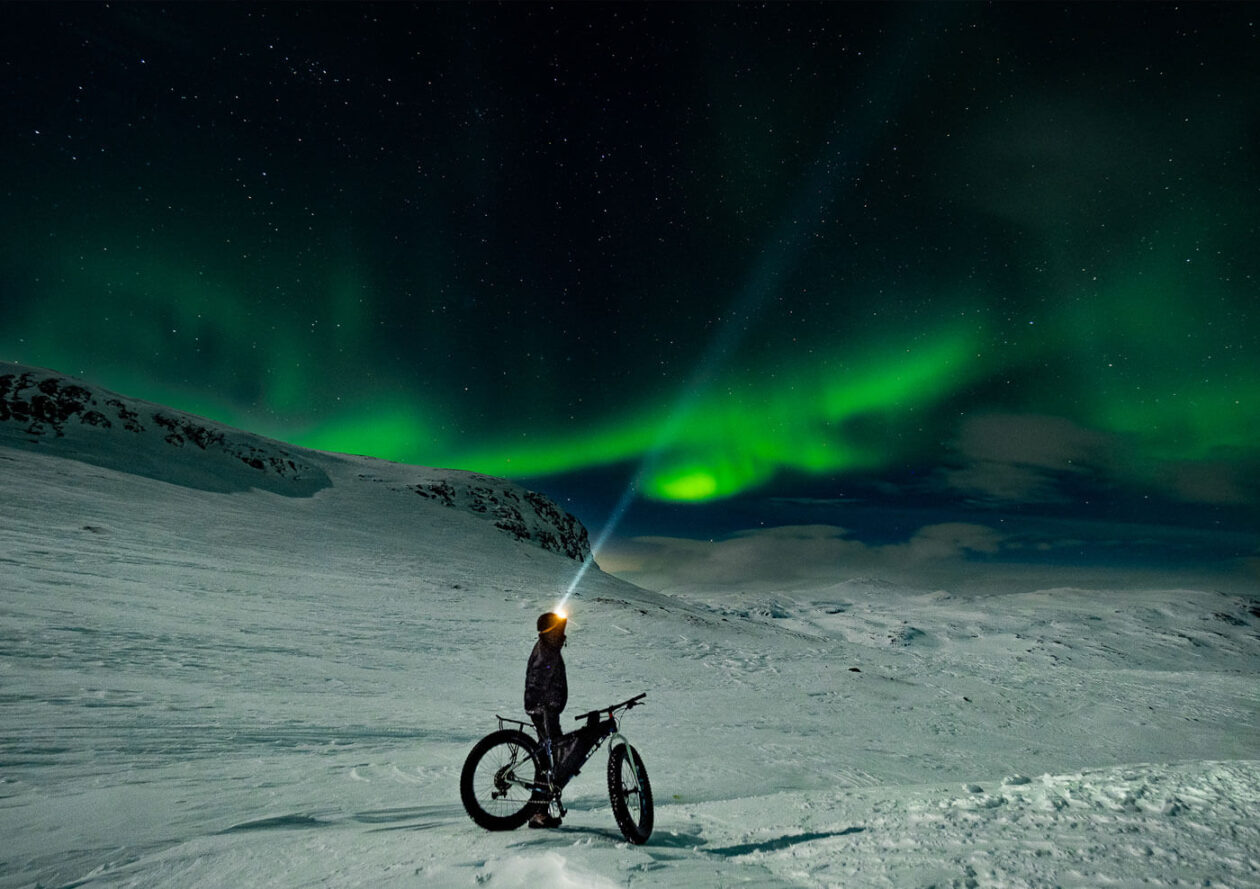
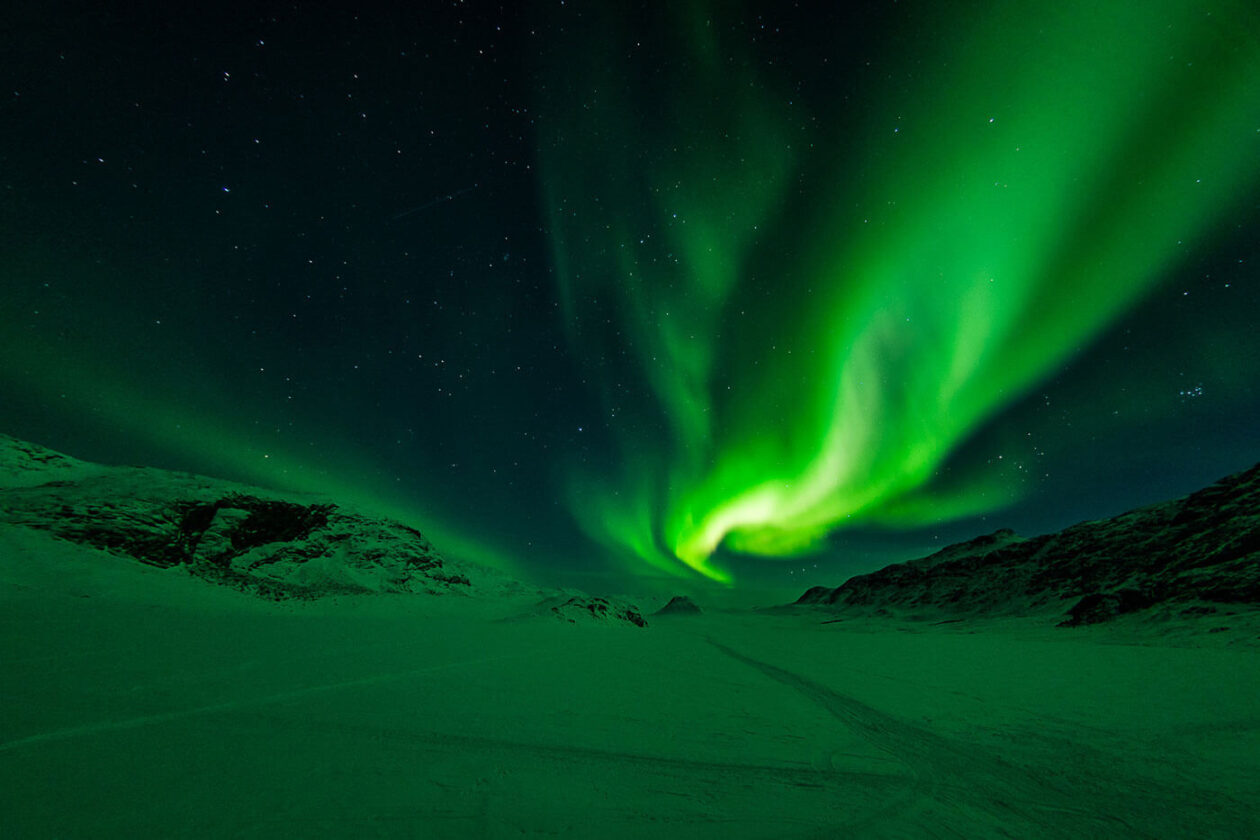
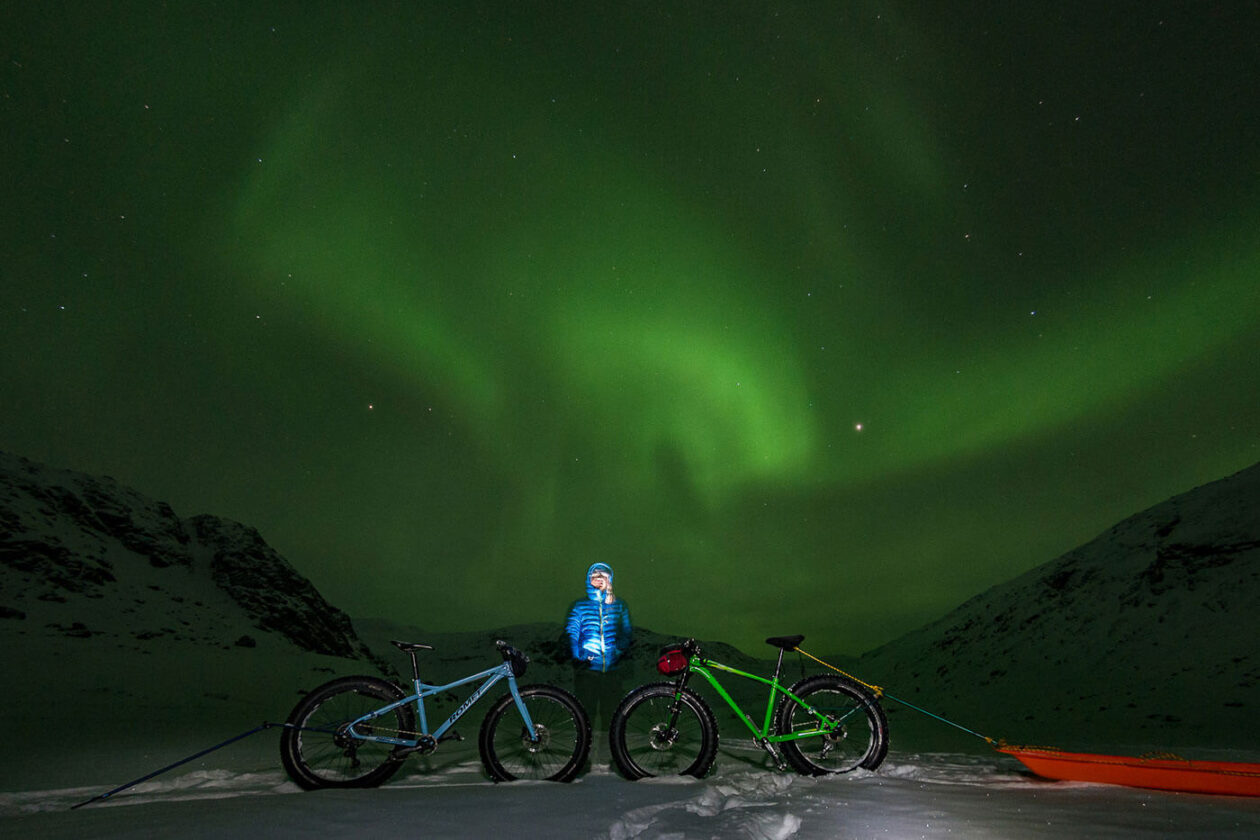
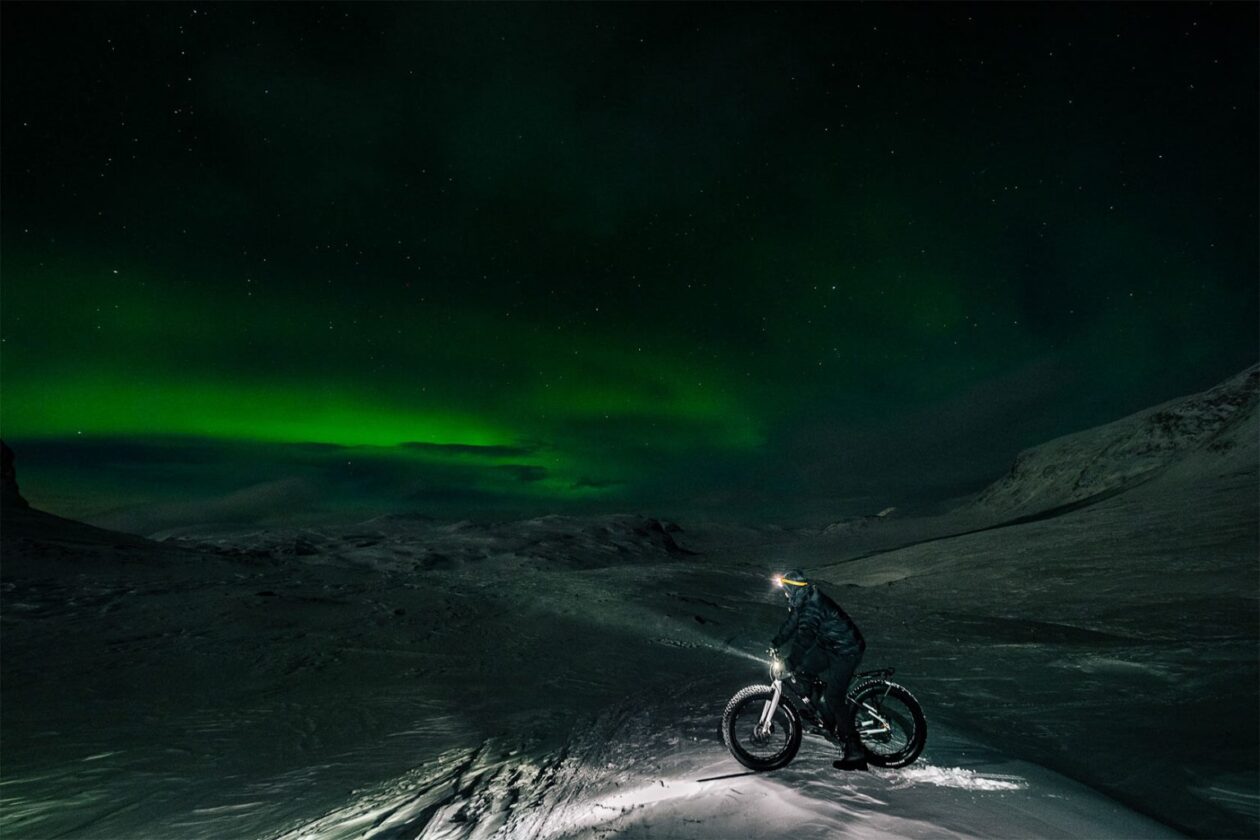
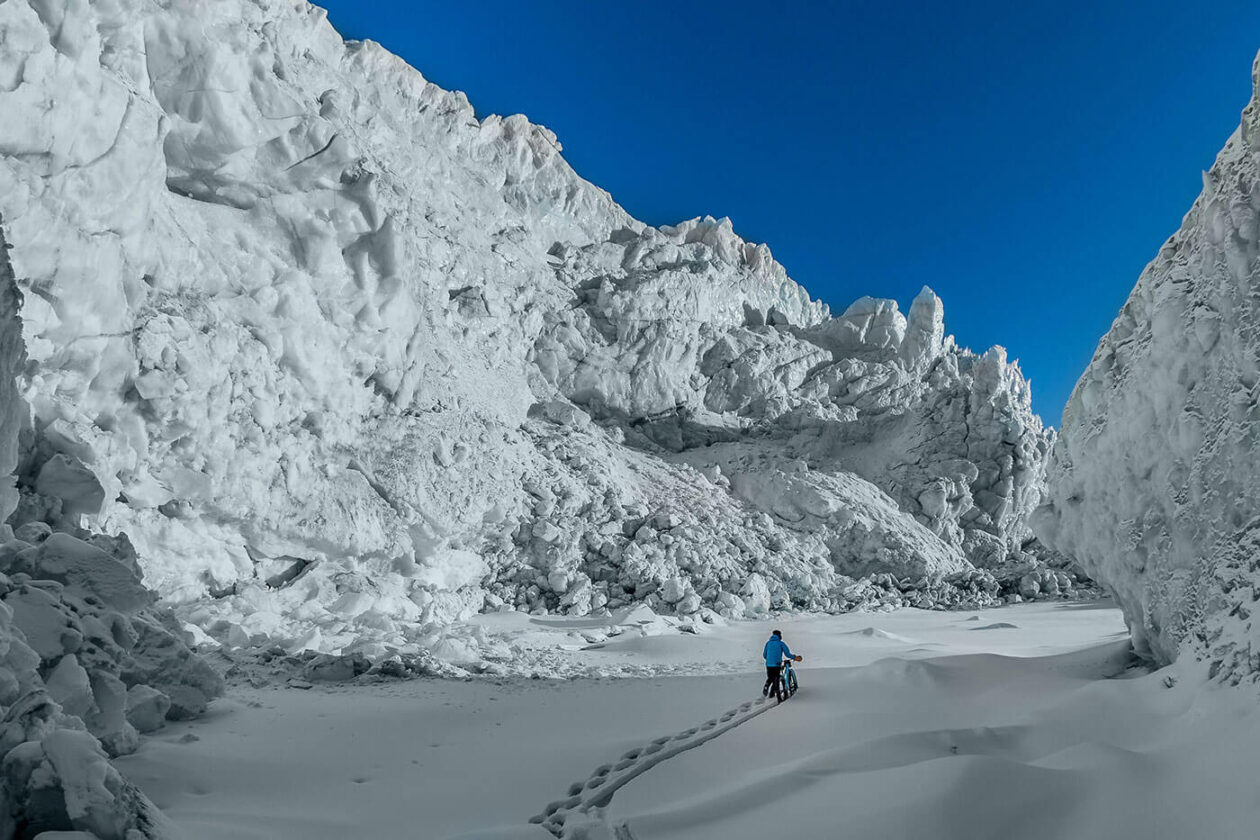
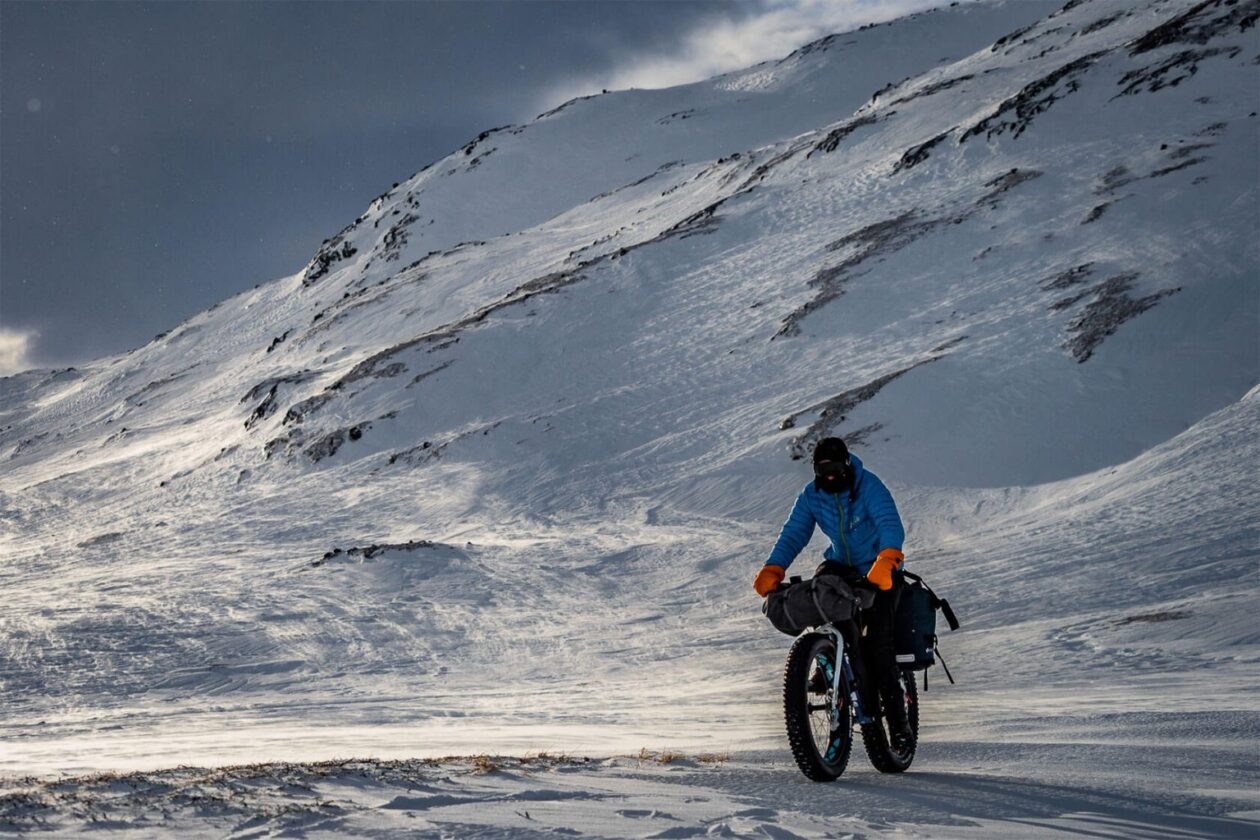
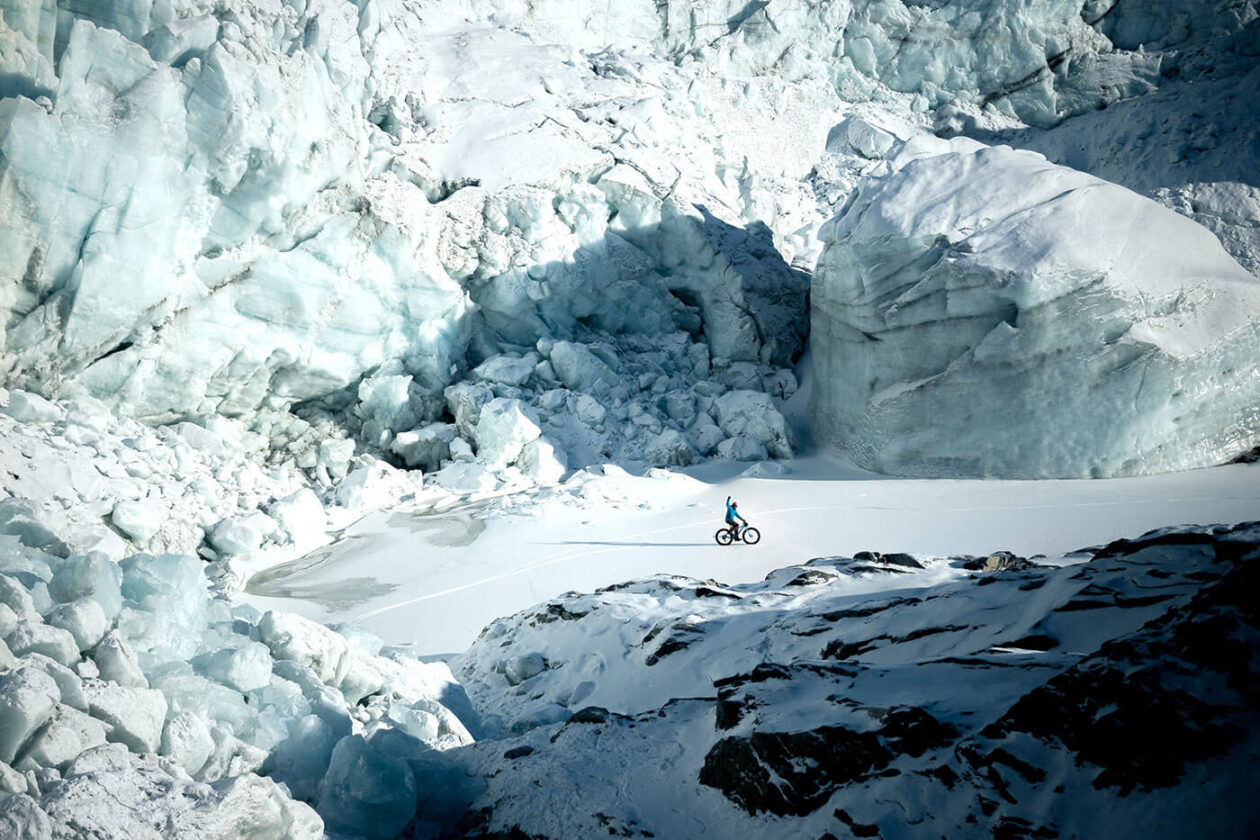
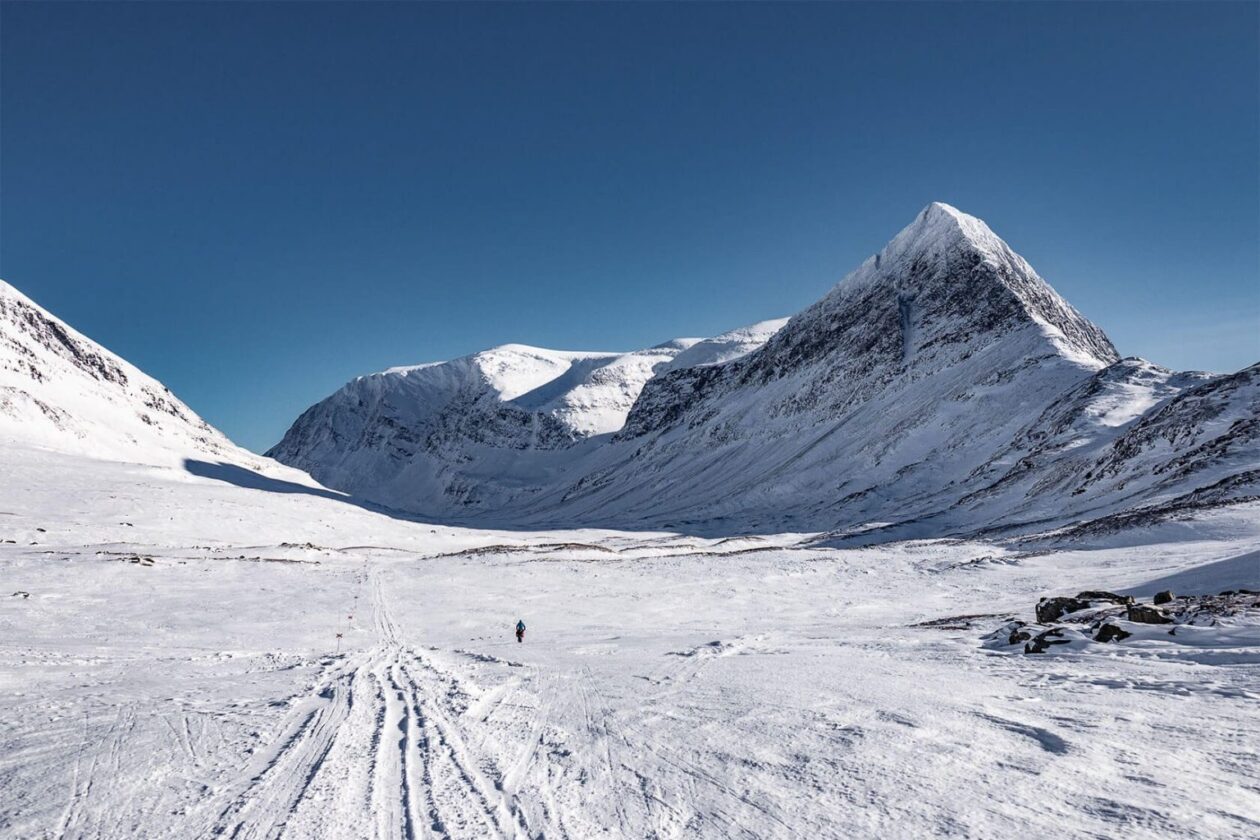
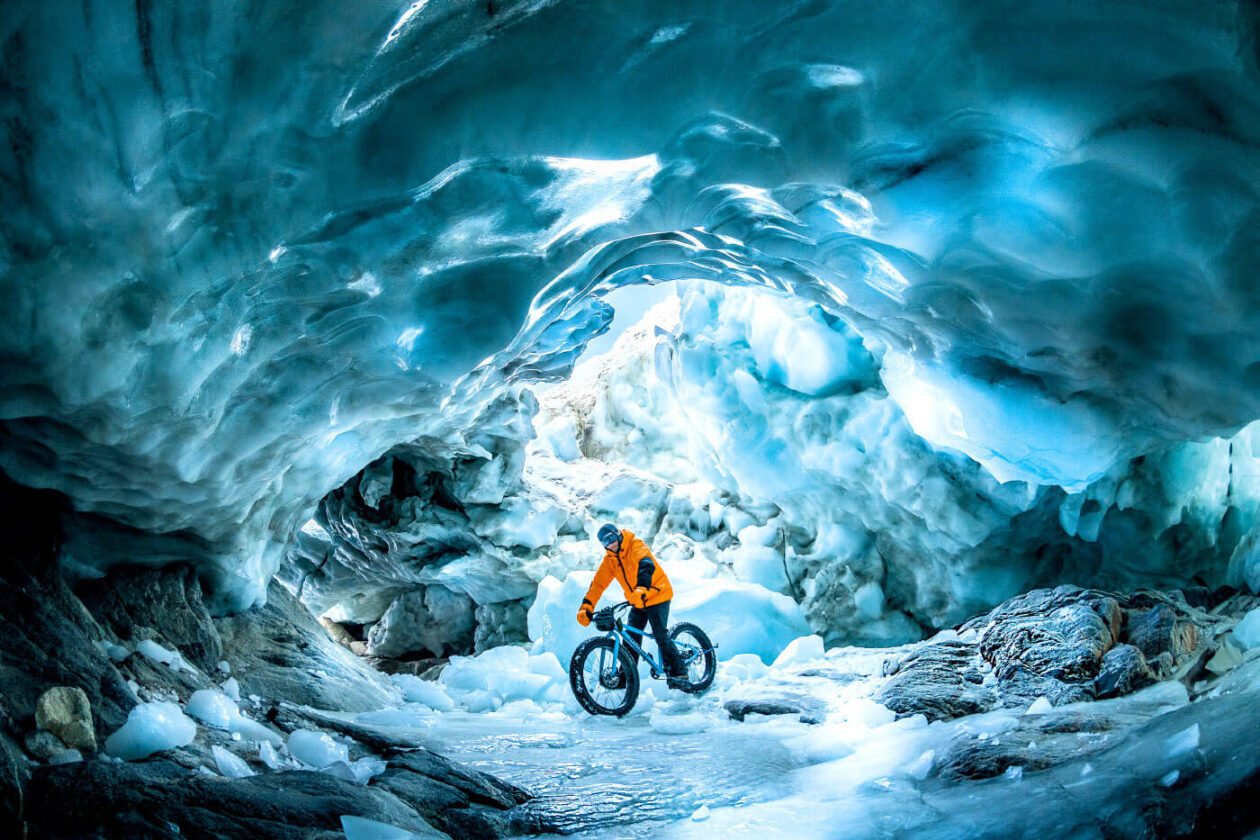
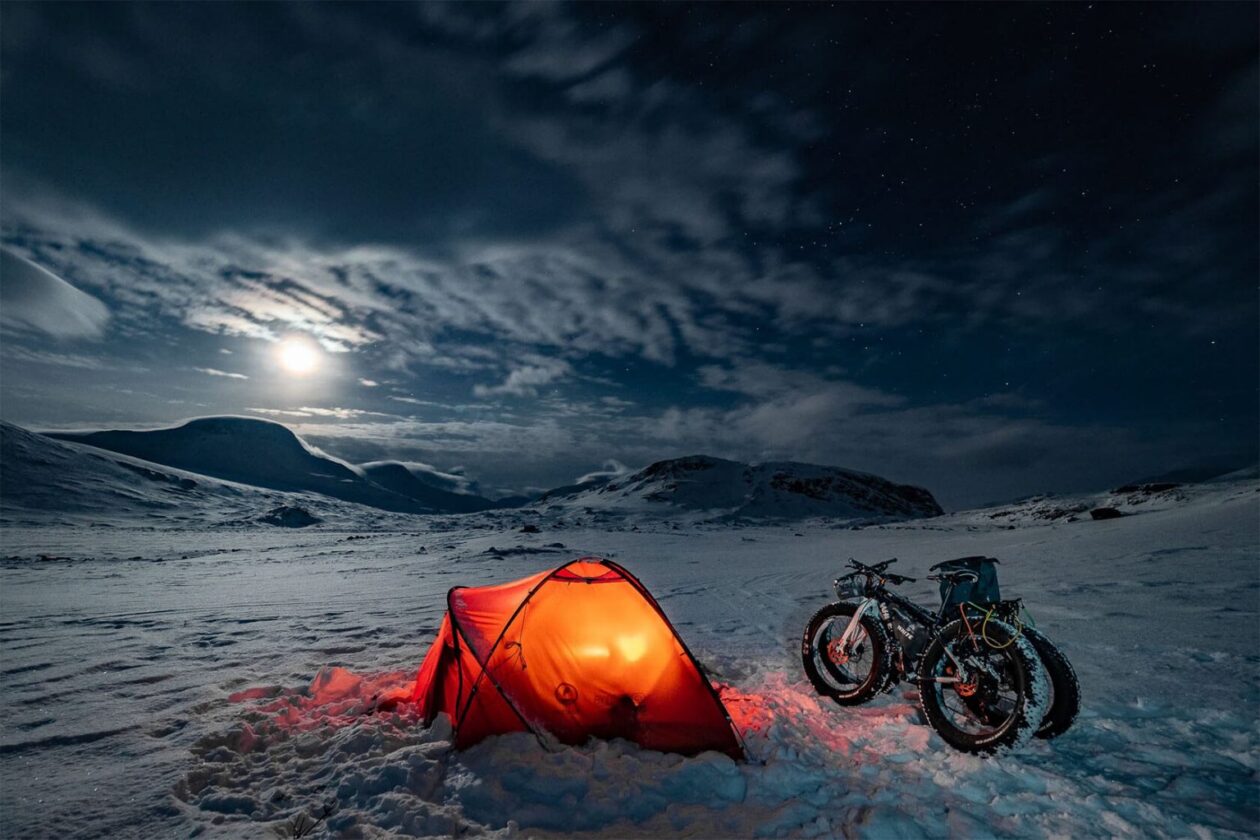
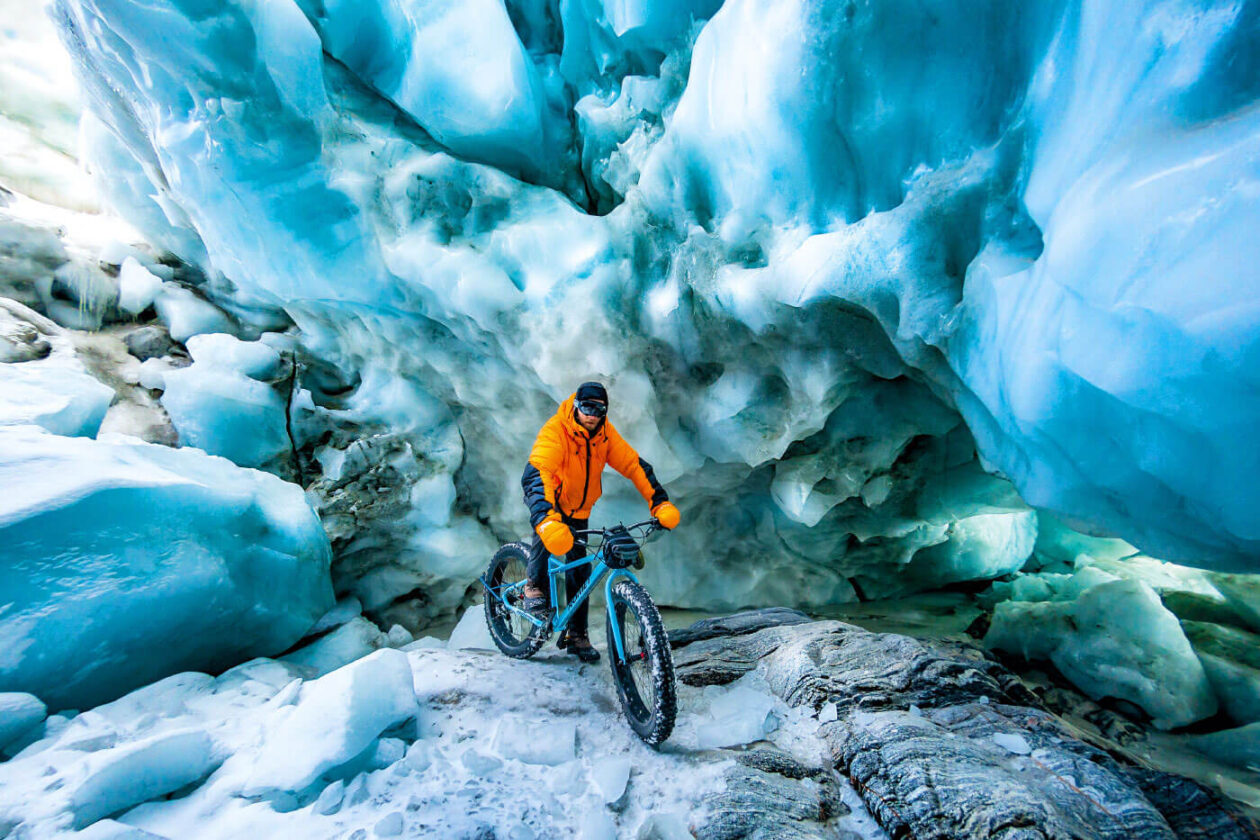
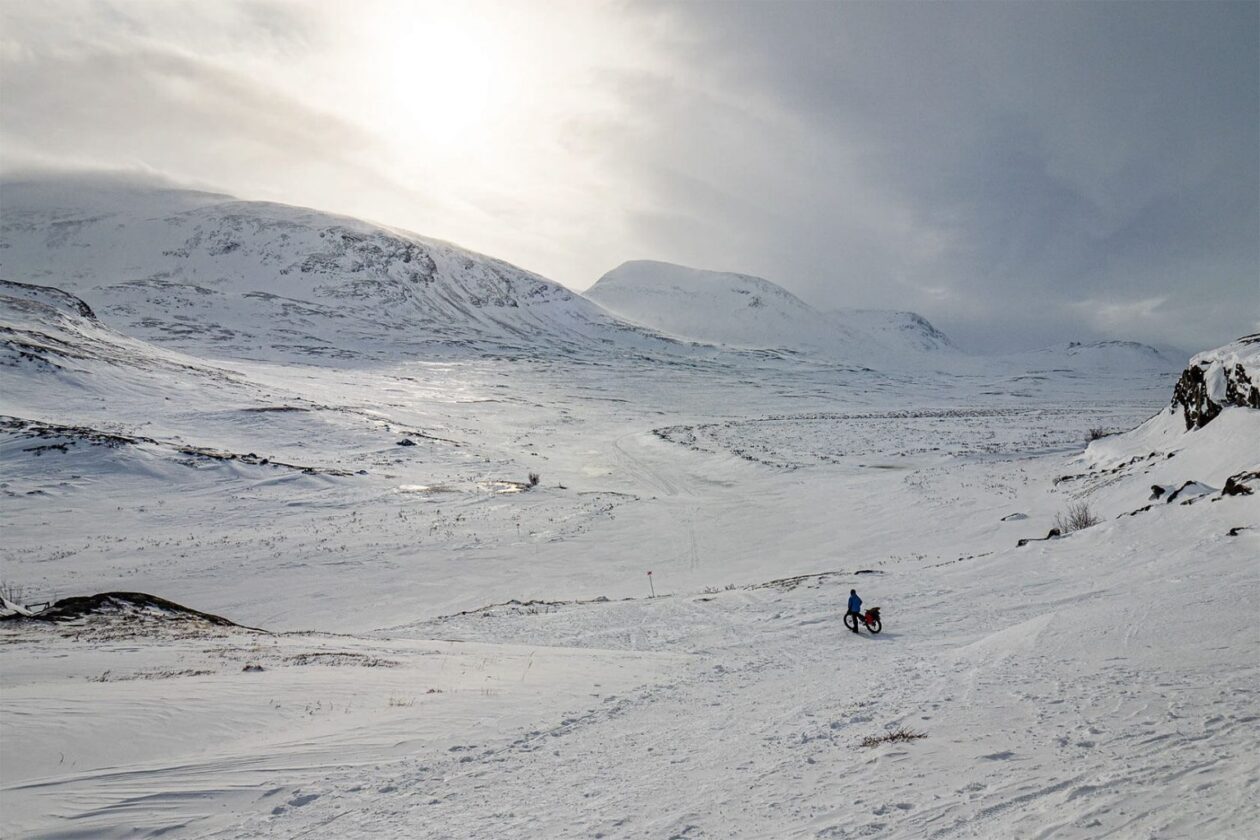
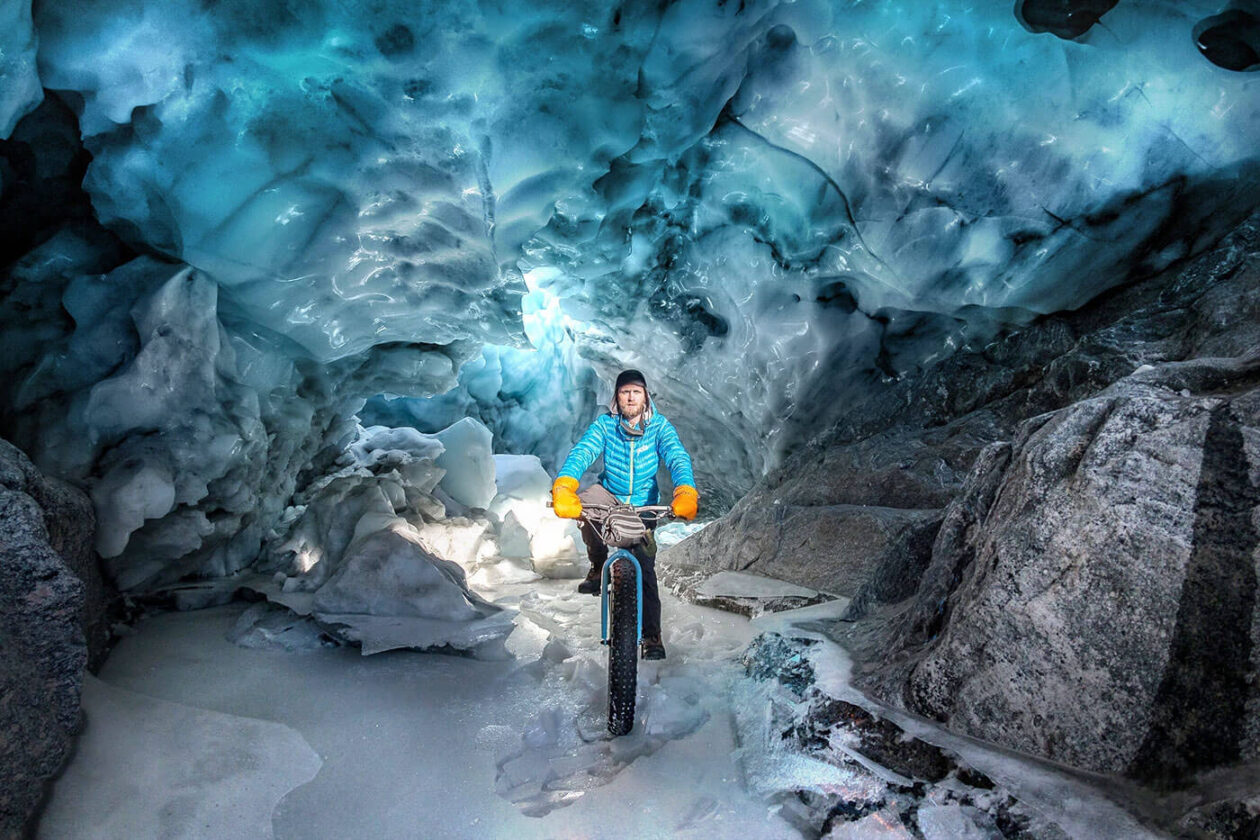
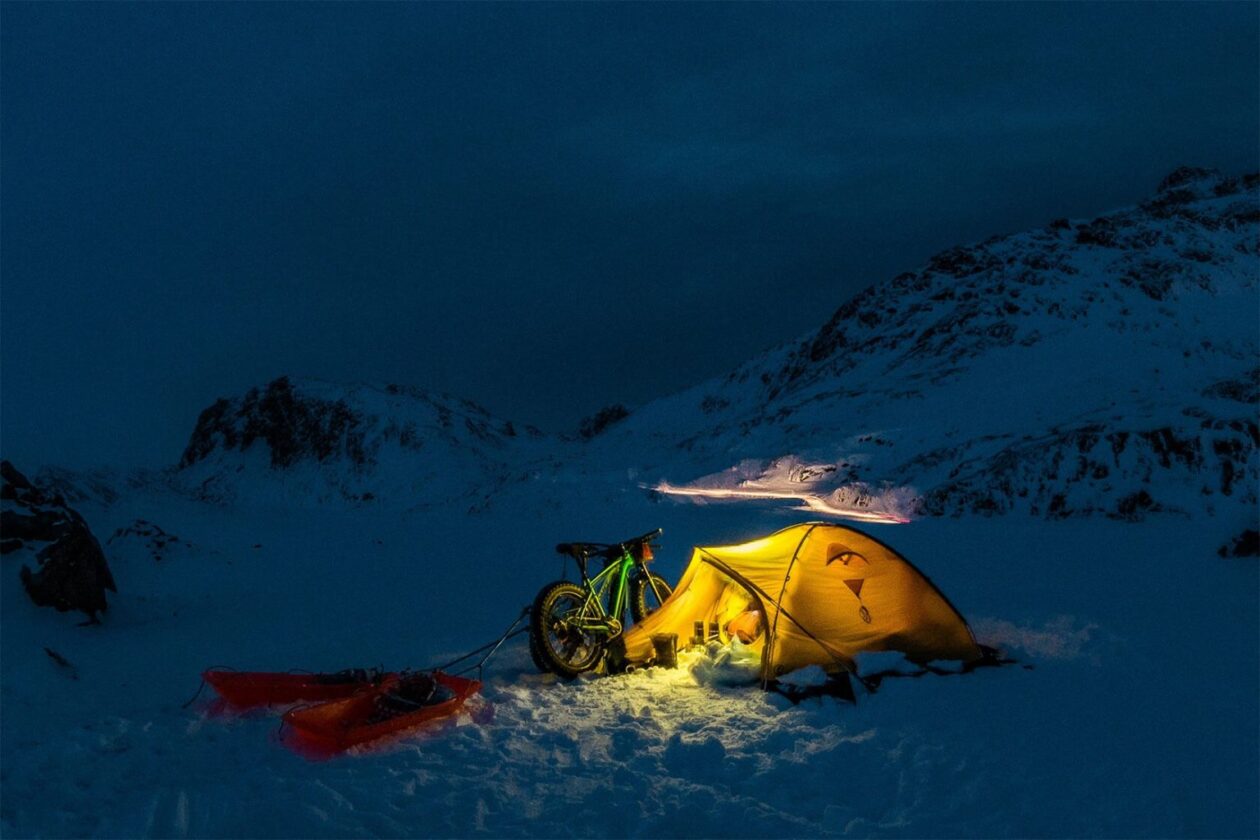
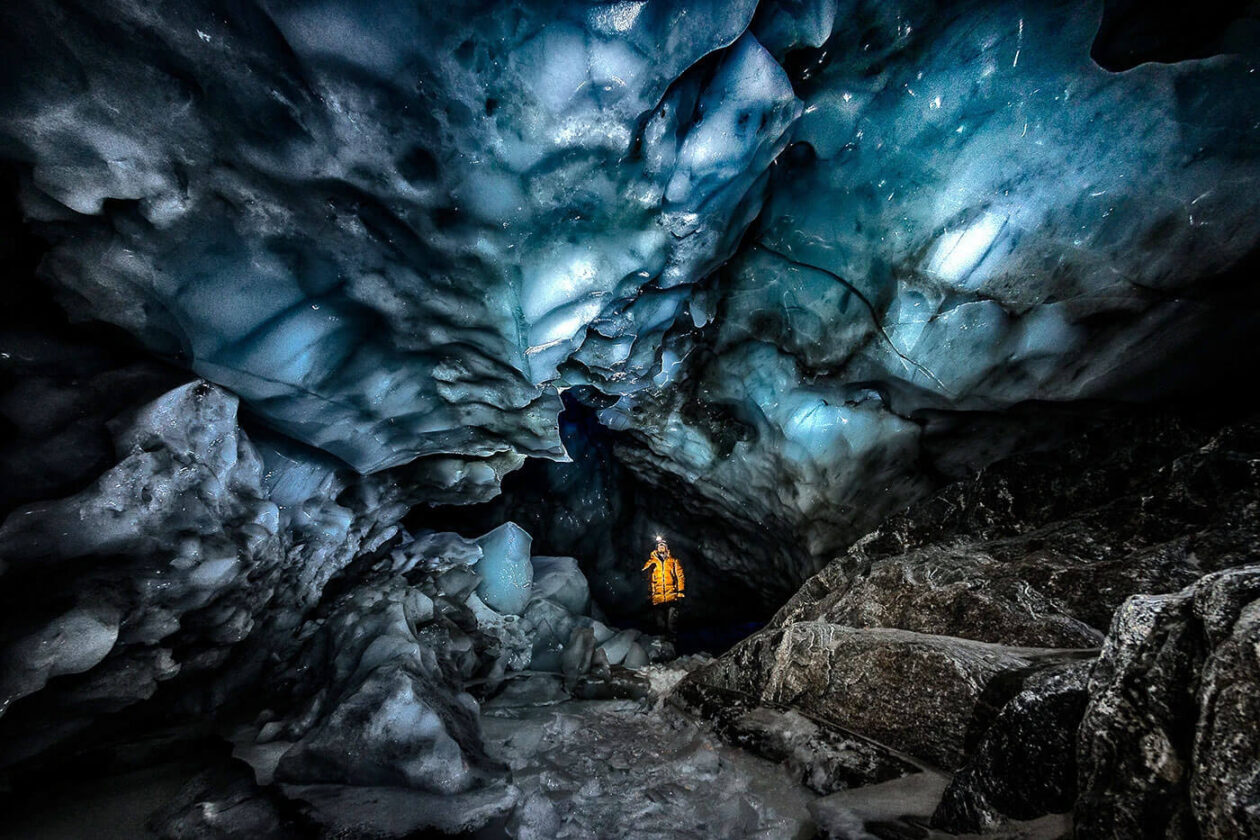
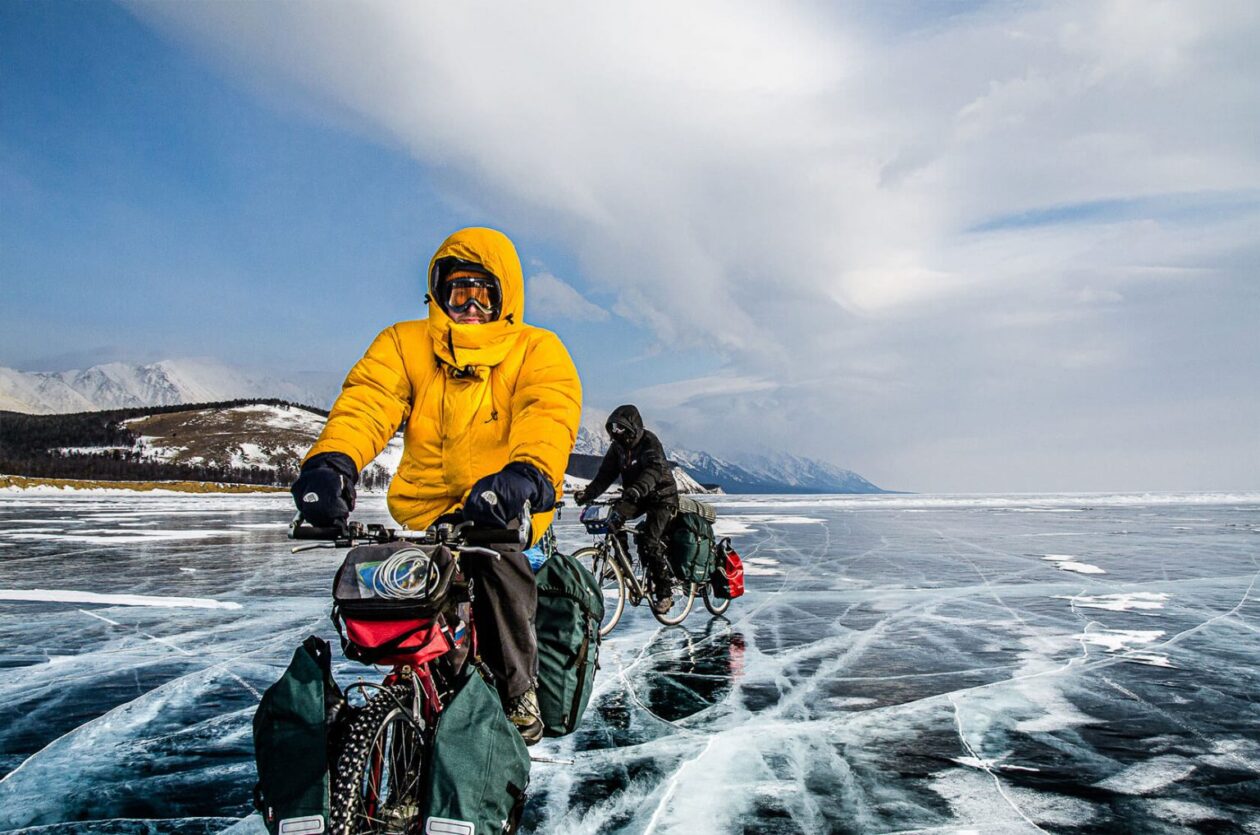
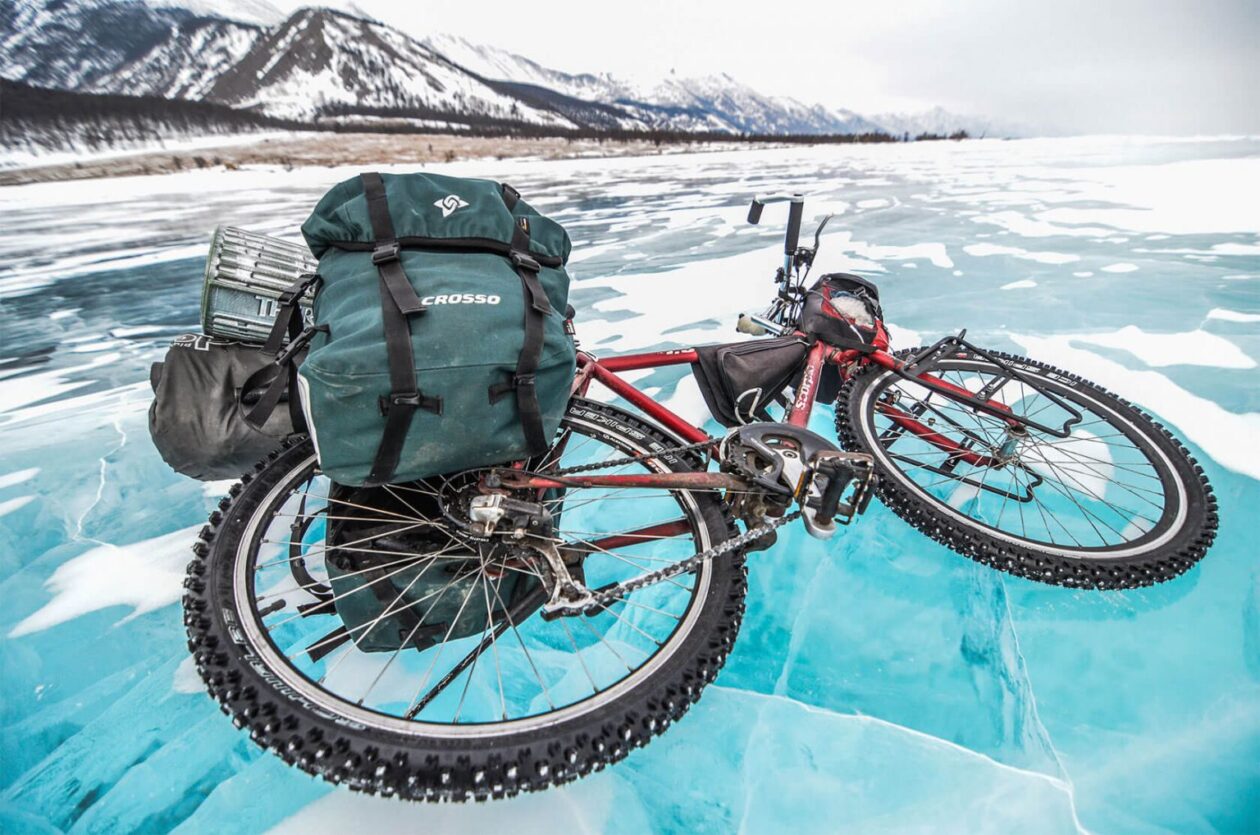
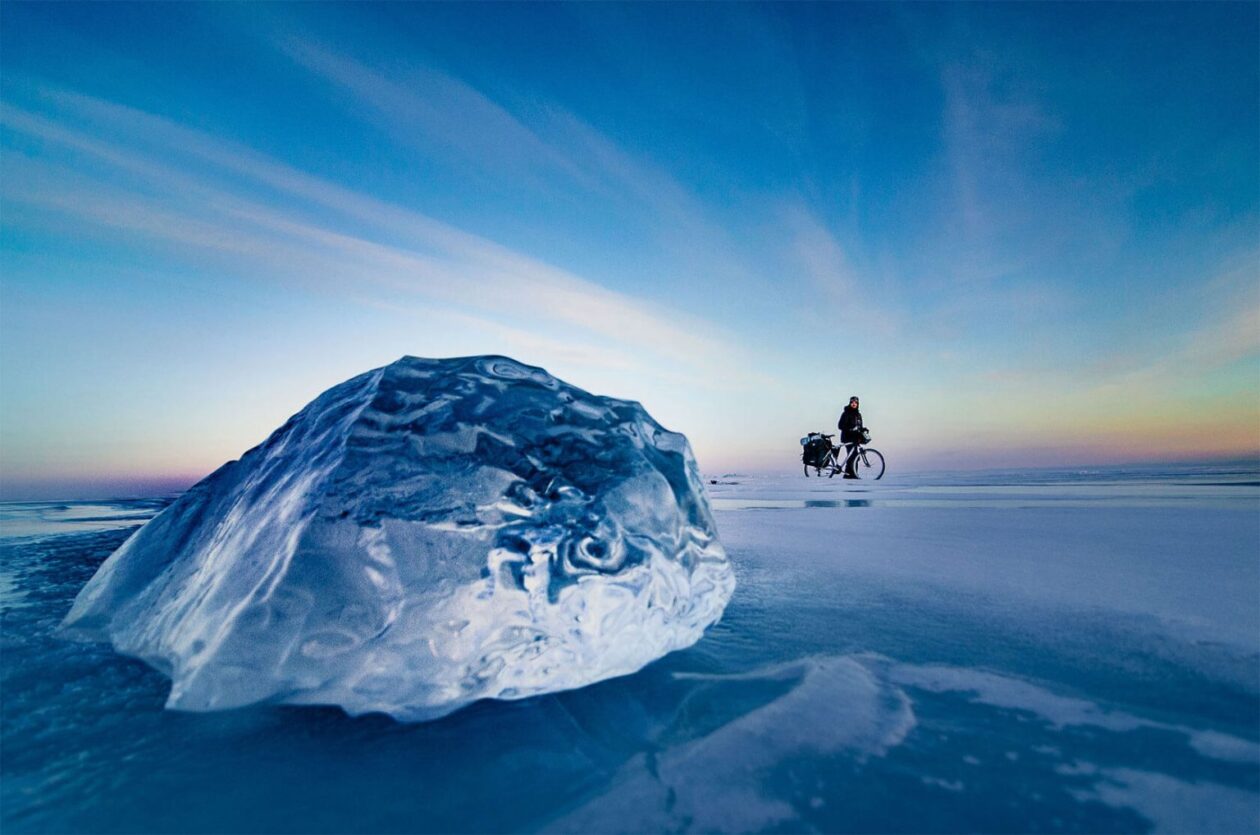
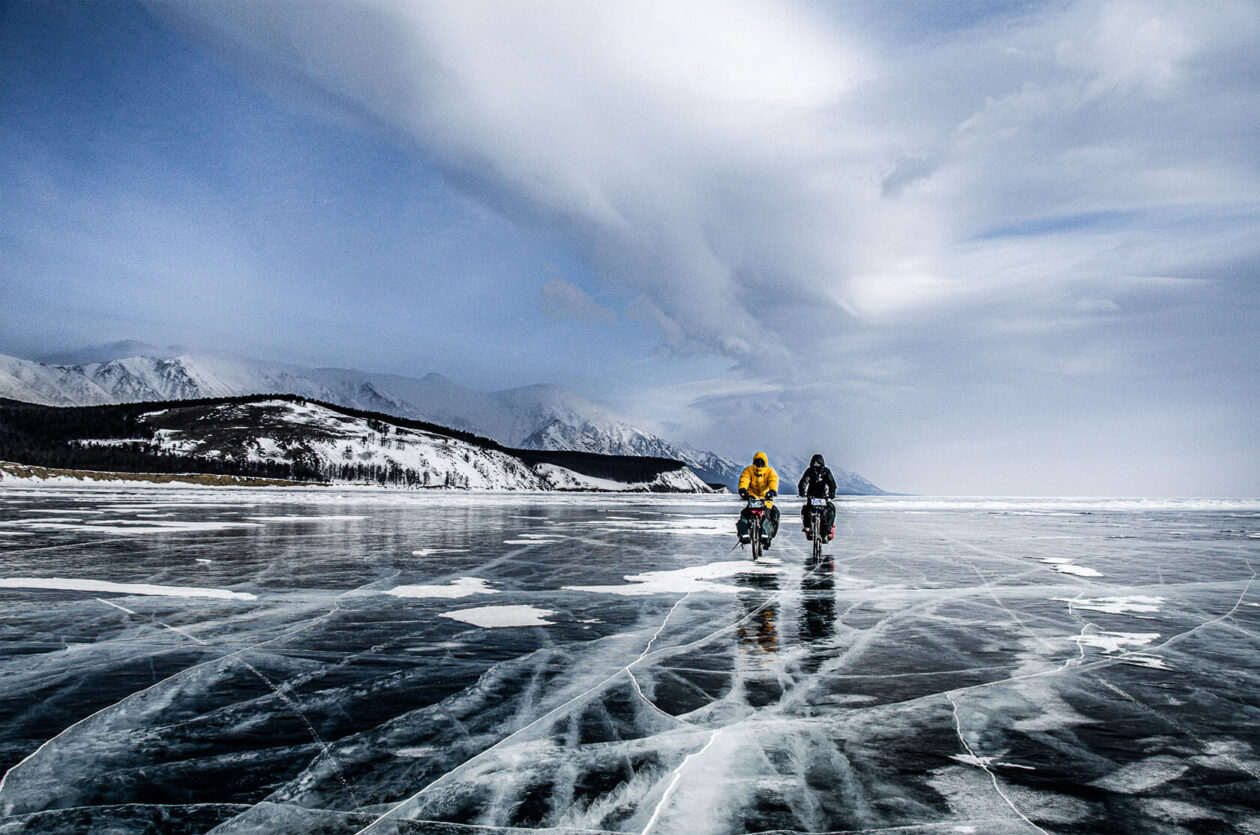
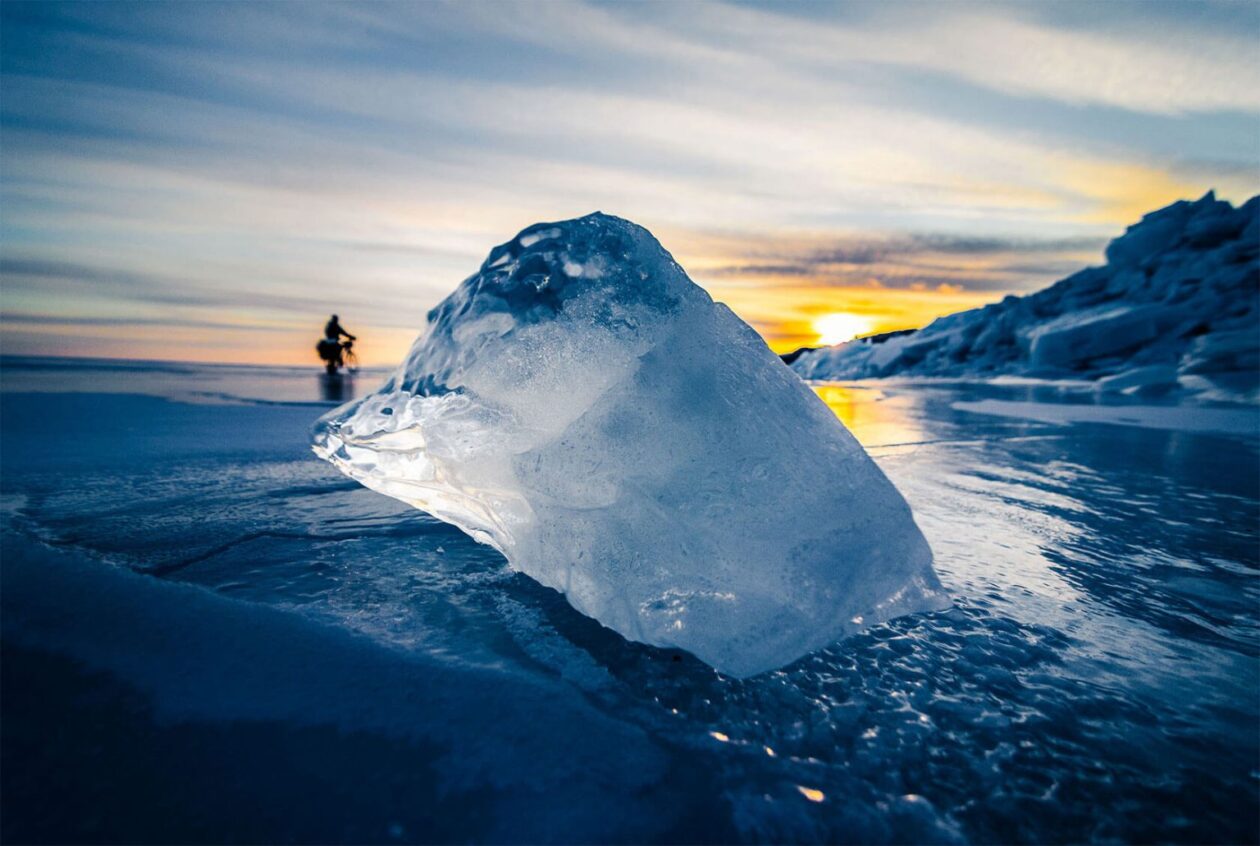
Winter’s landscape transforms into a grand stage under Jakub Rybicki’s lens, where frozen tundras become playgrounds for a cyclist’s boldest dreams. His expeditions — from the frosted paths of Sweden’s Kungsleden, beneath dancing northern lights, to the silvery expanse of Lake Baikal — are both daring and poetic. Riding through these icy realms is less about conquering nature and more about forming a visceral bond with each element — snow, wind, light — crafting ephemeral stories in each frame.
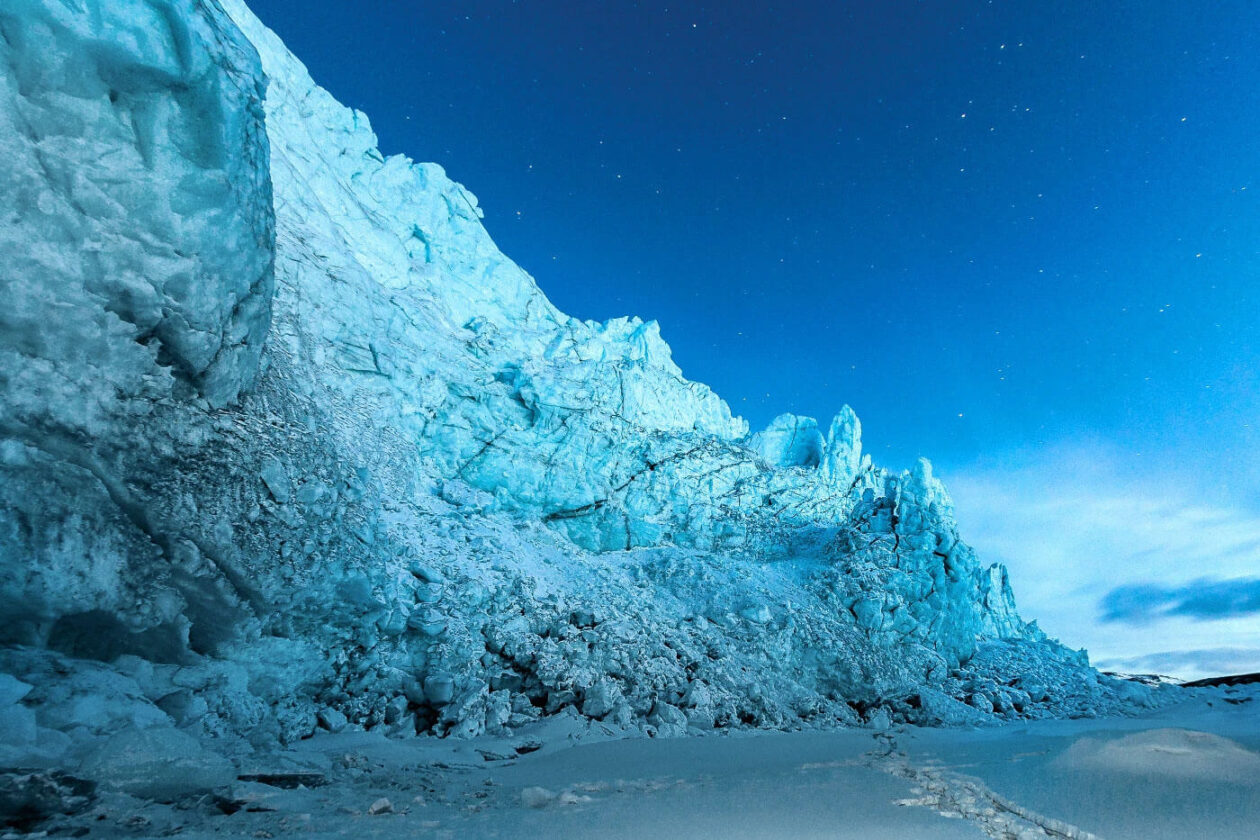
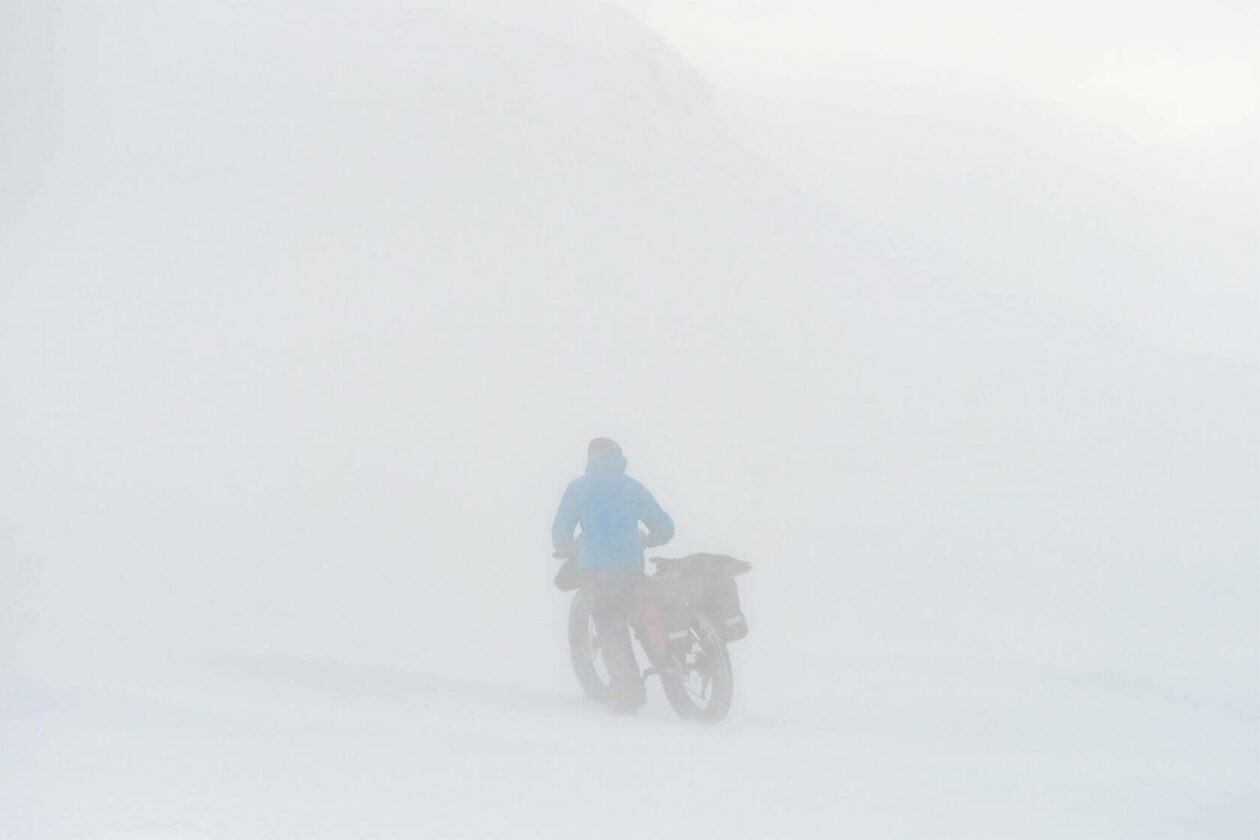
Greenland’s frozen fjords presented Rybicki with stark challenges: flat, featureless horizons, no roads or support, and the relentless resistance of deep snow. Yet, he embraced these conditions as catalysts for transformation — where physical struggle births clarity of mind, and the vast white emptiness amplifies the hush of being fully immersed in a moment. That silent expanse, where solitude feels boundless, becomes a powerful reminder of how small gestures — turning pedals, clearing a path — can feel monumental in the vastness of a frozen world.
Lake Baikal, the world’s deepest and oldest freshwater lake frozen into a 636-kilometer stretch of crystalline ice, beckoned Rybicki into a realm of extremes. Cycling across that gleaming surface, where temperatures drop to –35 °C, offers an unfiltered communion with the elements — each breath a swirl of vapor, each rotation of the wheel a declaration of presence. Through his photographs, we sense both the fragility and resilience embedded in these winter landscapes — and in the human spirit that dares to pedal through the cold.